
60 KVA UPS On Rent
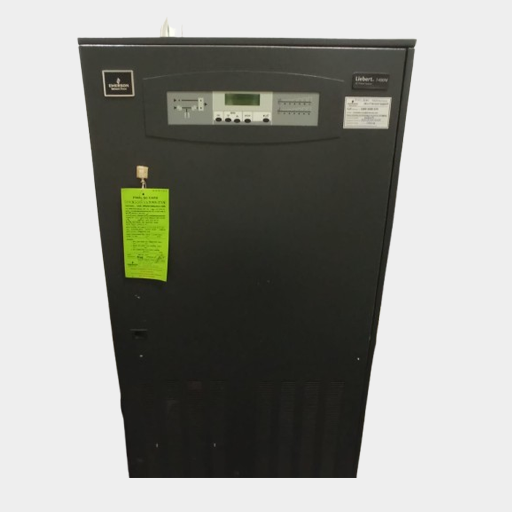
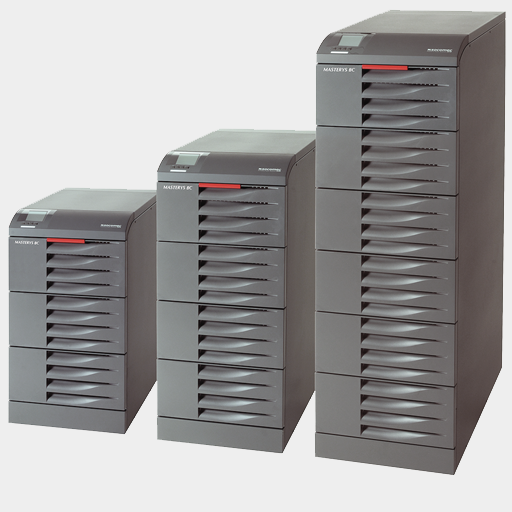
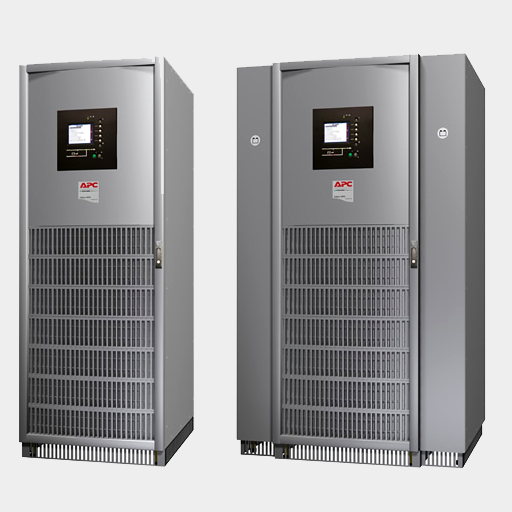
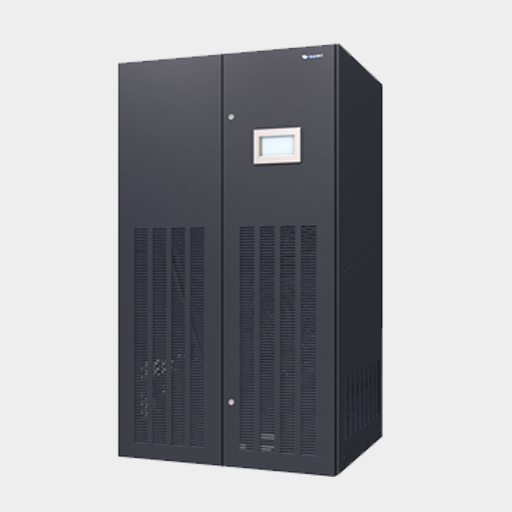
Ensure uninterrupted power for your operations with our 60 KVA UPS on Rent service at MG Power Solutions. Ideal for large-scale events, industrial setups, data centers, and critical systems, our UPS rental solution guarantees reliable backup during power outages or fluctuations. We provide well-maintained, high-performance units with quick installation and support. Renting a 60 KVA UPS is a cost-effective option to meet temporary or emergency power needs without long-term investment. Trust MG Power Solutions for dependable, scalable power solutions tailored to your requirements. Stay powered, stay productive — rent a 60 KVA UPS with confidence today!
Renting a 60 KVA UPS offers even greater advantages than a 40KVA unit, as the scale of protection and the cost of ownership are significantly higher for larger systems. Businesses that require substantial backup power, often for critical operations, can greatly benefit from the flexibility and financial predictability of a rental.
Here's a detailed look at the benefits of renting a 60 KVA UPS:
1. Significant Cost Savings:
- Avoid Large Capital Expenditure (CapEx):A 60 KVA UPS, along with its battery bank and installation, represents a substantial investment, easily running into tens of thousands to over a hundred thousand dollars or more. Renting eliminates this massive upfront cost, freeing up capital for core business activities, innovation, or expansion.
- Operational Expense (OpEx) Classification:Rental payments are typically treated as operational expenses, which can offer tax advantages and simplify budgeting compared to a depreciating asset on your balance sheet.
- No Depreciation or Obsolescence:You don't bear the financial burden of the UPS system's depreciation or its eventual obsolescence. The rental company manages these risks, ensuring you always have access to up-to-date technology without needing to purchase new equipment every few years.
2. Unparalleled Flexibility and Scalability:
- Adapt to Changing Power Needs:Business power requirements can fluctuate due to growth, new projects, or seasonal demands. Renting a 60 KVA UPS allows you to easily scale up or down your power protection without being locked into a fixed asset. Need more power for a temporary event? Rent an additional unit. Less power needed for a period? Downsize your rental.
- Short-Term and Long-Term Solutions: Rental periods can be customized from a few days for events, weeks for temporary setups, to several months or even years for ongoing but non-permanent needs.
- Ideal for Projects and Events:Large events (concerts, conferences, outdoor broadcasts), construction sites, or temporary data centers often require significant power backup for a limited duration. Renting is the perfect solution for such scenarios, ensuring continuous operation without the need for a permanent purchase.
3. Comprehensive Maintenance and Support (Included):
- Zero Maintenance Hassles:One of the most significant benefits. The rental agreement almost always includes all maintenance, servicing, and repairs. This means you don't need to hire specialized technicians, stock expensive spare parts, or invest in complex diagnostic tools.
- Proactive Battery Management:UPS batteries are costly and have a limited lifespan. With a rental, the responsibility for monitoring battery health, replacing aging batteries, and disposing of them properly falls entirely on the rental provider, saving you considerable recurring costs and environmental concerns.
- 24/7 Technical Support: Reputable rental companies provide round-the-clock technical support, ensuring that any issues are addressed swiftly, minimizing potential downtime for your critical operations.
- Expert Installation and Commissioning:Rental companies often handle the entire process, from delivery and professional installation to testing and commissioning, ensuring the UPS is set up correctly and safely.
4. Access to Latest Technology and Reliability:
- Avoid Outdated Equipment:UPS technology continually evolves, bringing better efficiency, smaller footprints, and advanced features. Renting ensures you can always access modern, high-performance 60 KVA UPS models without the burden of upgrading your owned equipment.
- Well-Maintained, Branded Equipment: Reputable rental fleets consist of high-quality, well-maintained UPS systems from leading manufacturers, guaranteeing reliability and peak performance.
5. Enhanced Risk Mitigation:
- Continuous Power for Critical Loads: A 60 KVA UPS is vital for safeguarding large-scale sensitive equipment (e.g., entire server rooms, critical medical devices, industrial automation). Renting provides this essential protection against power outages, voltage fluctuations, surges, and sags, preventing data loss, equipment damage, and costly operational disruptions.
- Quick Deployment for Emergencies: In case of an unexpected power failure or if your existing UPS system goes down, rental services can often provide rapid deployment of a 60 KVA unit, ensuring minimal interruption to your business continuity.
- Reduced Financial Risk of Failure:If the rented UPS malfunctions, the rental company is responsible for its repair or replacement, absorbing the cost and ensuring your operations remain protected.
6. Focus on Core Business:
- By offloading the complexities of UPS ownership, maintenance, and management to a rental provider, your internal teams can focus on your core business objectives, improving productivity and efficiency.
In essence, renting a 60 KVA UPS is a strategic decision for organizations that need powerful and reliable backup power but prioritize financial flexibility, minimal operational overhead, and access to modern technology without the long-term commitments and risks of direct ownership.
Technical Specification
A 60 kVA UPS (Uninterruptible Power Supply) is a powerful system designed to provide robust and reliable power protection for large-scale critical applications. Here's a brief breakdown of its typical technical specifications: 1. Power Rating:
- Apparent Power (kVA): 60 kVA
- Real Power (kW): In modern 60 kVA UPS systems, the output power factor is often 1.0 (Unity Power Factor). This means 60 kVA translates directly to 60 kWof real power, maximizing the usable power for your equipment. Older or less efficient designs might have a power factor of 0.8 or 0.9, meaning 60 kVA would provide 48 kW or 54 kW respectively.
2. Topology:
- Online Double Conversion (VFI - Voltage and Frequency Independent):This is the industry standard for 60 kVA UPS. It ensures the highest level of power quality by continuously converting AC to DC and then DC back to AC. The load is always fed by the inverter, providing a perfect sine wave output, isolated from input disturbances.
3. Input Specifications:
- Nominal Input Voltage:Typically 380V / 400V / 415V AC, 3-phase (three-phase + neutral + ground).
- Input Voltage Range:Wide tolerance, often ±15% to ±20% of the nominal voltage (e.g., 342V to 477V for a 400V nominal), allowing the UPS to operate on utility power even with significant fluctuations.
- Input Frequency:50 Hz or 60 Hz (auto-sensing).
- Input Frequency Range:Typically ±5% to ±10% of the nominal frequency.
- Input Power Factor:High, usually ≥0.99 at full load, indicating excellent energy efficiency from the input perspective.
- Input Current THD (Total Harmonic Distortion):Low, typically ≤3% at full linear load, preventing significant harmonic distortion from being injected back into the grid.
4. Output Specifications:
- Nominal Output Voltage:380V / 400V / 415V AC, 3-phase (three-phase + neutral + ground).
- Output Voltage Regulation (Static):Very tight, typically ±1% to ±1.5%, ensuring extremely stable voltage to sensitive equipment.
- Output Frequency:50 Hz or 60 Hz (synchronizes to mains when available, otherwise highly stable free-running at ±0.05% to ±0.1% stability).
- Output Voltage THD:Low, typically ≤2% for linear loads and ≤5% for non-linear loads, delivering clean power.
- Overload Capacity: Robust, allowing for temporary overloads (e.g., 110% for 60 minutes, 125% for 10 minutes, 150% for 1 minute), which is crucial for handling power-up surges or temporary load spikes.
- Crest Factor:Typically 3:1, indicating its ability to handle non-linear loads with high peak currents (common in server power supplies).
- Transfer Time (to Battery/Bypass): 0 ms (for online double conversion), ensuring no interruption to the load during power events.
5. Batteries & Runtime:
- Battery Type:Commonly Sealed Lead-Acid (VRLA), with Lithium-ion becoming an increasingly popular, albeit more expensive, option due to its longer life and higher energy density.
- Nominal Battery Voltage:Varies by design, often in the range of 300V DC to 480V DC, comprised of numerous individual battery blocks.
- Backup Time:A few minutes (e.g., 5-15 minutes) at full load is typical for internal battery configurations. Extended runtimes (hours) are achieved with external battery cabinets, which are common for 60 kVA systems.
- Recharge Time:Generally 8-12 hours to reach 90% capacity after a full discharge.
- Battery Management: Advanced features include intelligent charging (temperature-compensated, multi-stage), automatic battery testing, and deep discharge protection.
6. Efficiency:
- Online Mode Efficiency:High, usually >96%, with some modern units reaching 97% or even 98%. This minimizes energy waste during normal operation.
- ECO Mode (Economy Mode) Efficiency:Even higher, often >99%, achieved by running on bypass when utility power is stable and switching to double conversion only when power quality deteriorates. This mode is excellent for energy savings but might be unsuitable for the most sensitive loads.
7. Physical & Environmental:
- Dimensions (H x W x D):Large floor-standing units. Dimensions vary significantly between models, but they are substantial.
- Weight:Can range from 200 kg to over 600 kg, depending on design and whether internal batteries are included.
- Audible Noise:Typically 60-70 dBA at 1 meter, which means these units are usually located in dedicated equipment rooms.
- Operating Temperature:0°C to 40°C (32°F to 104°F).
- Relative Humidity:0-95% non-condensing.
- IP Protection:Usually IP20.
8. Communication & Management:
- Display:Intuitive LCD or color touch screen for real-time status, alarms, and configuration.
- Communication Ports:Standard ports like RS232, USB, Dry Contacts (for basic alarm integration), and EPO (Emergency Power Off).
- Communication Slots: For optional network cards such as SNMP (for remote monitoring and control over IP networks), Modbus (for integration with Building Management Systems - BMS), and relay cards.
- Software:Comprehensive shutdown and monitoring software for operating systems.
- Parallel Capability: Most 60 kVA UPS units support parallel operation for redundancy (e.g., N+1 configuration) or increased capacity, ensuring higher availability.
These specifications highlight the robust capabilities of a 60 kVA UPS, making it suitable for demanding environments where power reliability is paramount.