
30 KVA UPS On Rent
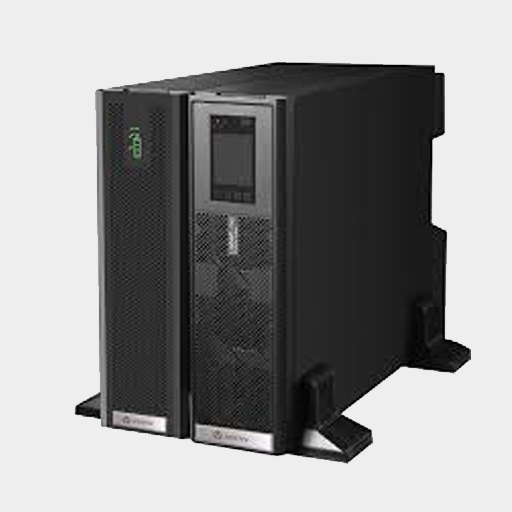
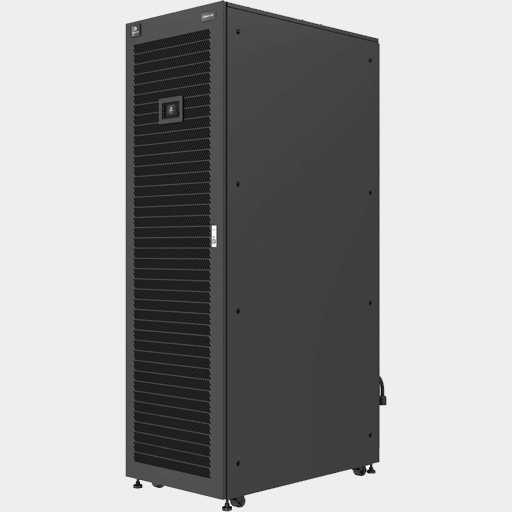
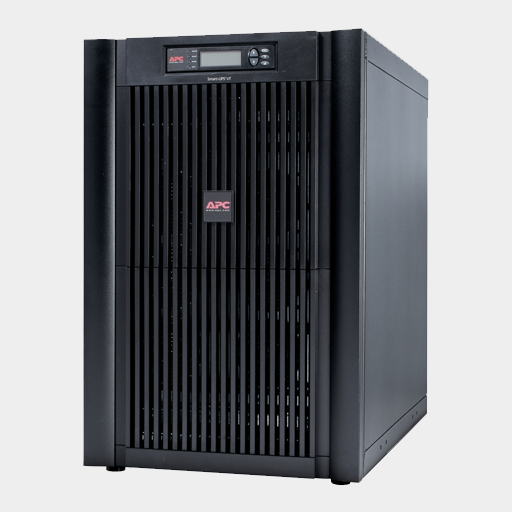
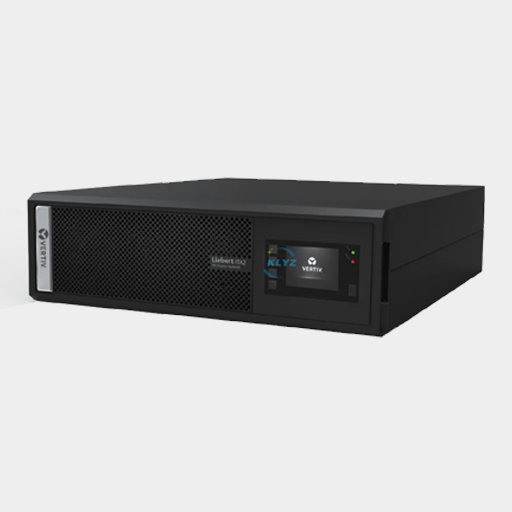
Ensure uninterrupted power for your critical operations with our 30 KVA UPS on Rent at MG Power Solutions. Designed for high-efficiency performance, our rental UPS systems are ideal for data centers, hospitals, industrial facilities, and events requiring reliable backup power. Our 30 KVA UPS units deliver stable voltage output, fast switchover times, and advanced battery management to protect your equipment from outages and surges. MG Power Solutions provides flexible rental plans, 24/7 support, and quick on-site installation to minimize downtime. Choose our 30 KVA UPS rental services for dependable, scalable, and cost-effective power backup when you need it most.
Renting a 30 KVA UPS offers numerous benefits, making it a popular choice for businesses that need reliable power backup without the heavy investment and ongoing responsibilities of ownership. Here are the key advantages:
Cost-Effectiveness:
Flexibility and Scalability:
Reduced Maintenance and Support Burden:
Risk Mitigation:
1. Power Rating:
- Capacity:30 kVA (kilo-Volt-Ampere)
- Active Power (kW):Typically 27 kW (assuming a power factor of 0.9, which is common for modern UPS systems; some newer models might offer a unity power factor of 1.0, meaning 30 kVA = 30 kW).
2. UPS Topology:
- Type:Generally "True Online Double Conversion" (VFI - Voltage and Frequency Independent). This means the output power is constantly conditioned, providing the highest level of protection against power disturbances.
- Technology:Often utilizes IGBT (Insulated Gate Bipolar Transistor) rectifier and inverter for high efficiency and performance. DSP (Digital Signal Processor) control is also common.
3. Input Specifications:
- Input Voltage:Typically 3-phase, 4-wire (380V / 400V / 415V AC + Neutral).
- Input Voltage Range:Wide tolerance (e.g., 304V to 477V AC) to minimize reliance on batteries during minor fluctuations.
- Input Frequency:50 Hz or 60 Hz (with a tolerance, e.g., ±10%).
- Input Power Factor:High, typically > 0.99 at full load, indicating efficient power consumption from the mains.
- Input Total Harmonic Distortion (THDi):Low, usually < 3% to 5% at full load, signifying minimal distortion back into the grid.
4. Output Specifications:
- Output Voltage:Typically 3-phase, 4-wire (380V / 400V / 415V AC + Neutral), or sometimes 1-phase for smaller loads if it's a 3:1 phase model.
- Output Voltage Regulation: Very tight, usually ±1% (static) and ±5% (dynamic), ensuring stable power delivery.
- Output Frequency:50 Hz or 60 Hz, highly stable (e.g., ±0.1% in battery mode).
- Output Waveform: Pure Sine Wave, essential for sensitive electronic equipment.
- Output Total Harmonic Distortion (THDu):Low, typically < 2% for linear loads and < 5% for non-linear loads.
- Overload Capability:Designed to handle temporary overloads (e.g., 110% for 10 minutes, 125% for 1 minute, 150% for seconds) before transferring to bypass or shutting down.
- Crest Factor:3:1 (typical).
- Transfer Time (AC to Battery / Inverter to Bypass):Zero, ensuring seamless power transition.
5. Battery Specifications:
- Battery Type:Most commonly Sealed Maintenance Free (SMF) VRLA (Valve Regulated Lead-Acid) batteries, though Lithium-ion options are becoming more prevalent.
- DC Bus Voltage:Varies but often in the range of 360VDC to 480VDC, depending on the number of battery blocks/cells in series.
- Battery Configuration:Number of batteries required depends on the desired backup time (e.g., 30 to 40 x 12V batteries for standard runtime).
- Charger:Intelligent charger with features like temperature compensation, adjustable charging current, and automatic/manual battery testing.
6. Efficiency:
- AC-AC Efficiency (Online Mode):High, typically 93% to 96% at full load.
- ECO Mode Efficiency (Bypass Mode):Even higher, often 98% to 99%, for energy savings when power conditions are stable.
7. Management and Communication:
- Display:LCD or touch panel display for real-time status, parameters, and alarms.
- Ports:RS232, USB, RS485 for local monitoring.
- Connectivity:Optional SNMP (Simple Network Management Protocol) card for remote monitoring and management over a network.
- Alarms: Comprehensive visual and auditory alarms for various events (mains failure, battery low, overload, etc.).
- Emergency Power Off (EPO):Essential safety feature.
8. Physical and Environmental:
- Dimensions & Weight:Varies significantly by model and whether batteries are internal or external.
- Operating Temperature:0°C to 40°C.
- Relative Humidity:0-95% non-condensing.
- Noise Level:Typically < 60-65 dBA at 1 meter.
- IP Rating:Generally IP20 (for indoor use, protected against solid objects >12.5mm).
- Cooling:Forced air cooling (fans).
This brief overview covers the most common technical specifications for a 30 KVA UPS, highlighting its capabilities as a reliable power protection so
In summary, renting a 30 KVA UPS is a strategic choice for businesses looking for a cost-effective, flexible, and hassle-free solution to ensure uninterrupted power supply, especially for critical applications in corporate offices, hospitals, manufacturing units, data centers, and events.
In summary, renting a 30 KVA UPS is a strategic choice for businesses looking for a cost-effective, flexible, and hassle-free solution to ensure uninterrupted power supply, especially for critical applications in corporate offices, hospitals, manufacturing units, data centers, and events.
A 30 KVA (Kilo-Volt-Ampere) UPS is a significant power backup solution typically used for medium to large-scale critical applications. The "brief technical specifications" can vary slightly between manufacturers and specific models (e.g., 3:1 phase vs. 3:3 phase), but generally include: