
40 KVA UPS On Rent
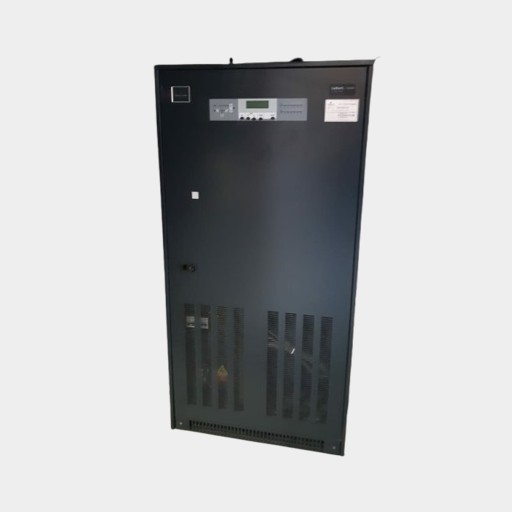
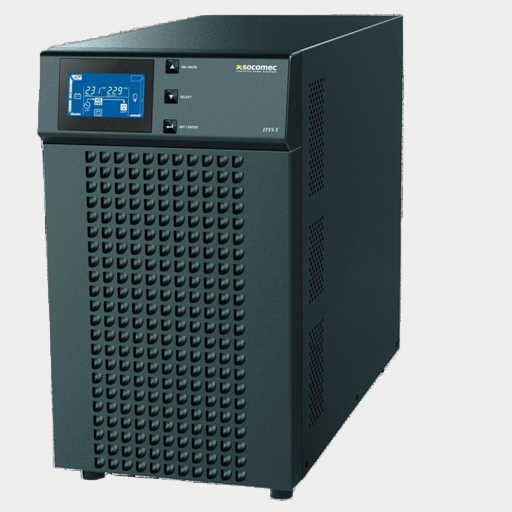
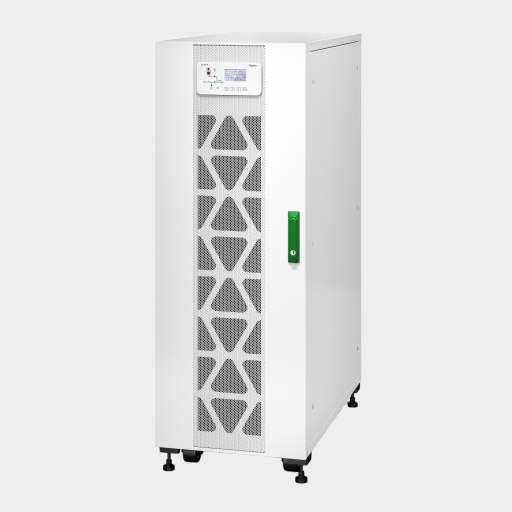
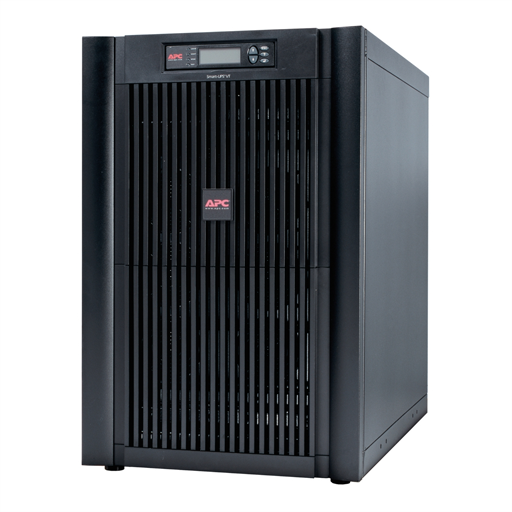
Ensure uninterrupted power supply with MG Power Solutions' 40 KVA UPS on Rent, designed for critical applications across industries. Our high-capacity UPS systems offer reliable backup during power failures, voltage fluctuations, and grid instability. Ideal for data centers, hospitals, events, and industrial operations, this rental solution ensures business continuity without the burden of ownership. Backed by timely maintenance, expert support, and quick installation, our 40 KVA UPS rental service is both cost-effective and performance-driven. Choose MG Power Solutions for flexible rental plans tailored to your needs. Power your operations seamlessly with our dependable 40 KVA UPS on rent — when uptime is non-negotiable.
Renting a 40 KVA UPS offers a range of significant benefits, especially for businesses or events that require reliable power but want to avoid the substantial upfront costs and long-term commitments of purchasing. Here's a breakdown of the key advantages:
1. Cost-Effectiveness:
- Lower Upfront Investment : Purchasing a 40 KVA UPS involves a significant capital expenditure Renting eliminates this large initial outlay, making it an attractive option for businesses with tight budgets or temporary power needs.
- Operational Expense (OpEx) vs. Capital Expense (CapEx): Rental costs are typically classified as operational expenses, which can offer tax advantages and simplify financial planning compared to a capital expenditure.
- No Depreciation Worries:You don't have to worry about the depreciation of the asset, as the rental company bears this cost.
2. Flexibility and Scalability:
- Adjust to Changing Needs: Businesses often have fluctuating power demands. Renting allows you to easily scale up or down the UPS capacity as your needs evolve, whether it's for a temporary project, a peak season, or business growth.
- Short-Term and Long-Term Options: Rental periods can be tailored from a few days or weeks for events to several months or even years for ongoing operations.
- No Long-Term Commitment:You're not tied down to a specific piece of equipment, providing greater agility for your business.
3. Hassle-Free Maintenance and Support:
- Included Maintenance:The rental agreement typically covers all maintenance, servicing, and repairs. This eliminates the need for you to hire specialized technicians, purchase spare parts, or invest in maintenance tools.
- 24/7 Technical Support:Most rental companies offer round-the-clock technical support, ensuring that any issues are addressed promptly and minimizing downtime.
- Battery Management: Batteries are a critical component of a UPS and have a limited lifespan. With rentals, the responsibility for battery maintenance and replacement lies with the rental provider, ensuring you always have a functioning battery without additional costs.
- Access to Expertise: Rental companies provide expert advice on selecting the right UPS system for your specific needs, as well as professional installation and commissioning.
4. Access to Modern Technology:
- Avoid Obsolescence:Technology evolves rapidly. Renting allows you to utilize the latest UPS models with advanced features like automatic voltage regulation, energy efficiency, and real-time performance monitoring, without the burden of owning outdated equipment.
- Reliable and Branded Equipment:Reputable rental providers typically offer UPS systems from trusted brands, ensuring reliable and efficient performance.
5. Risk Mitigation:
- Protection Against Power Outages: A 40 KVA UPS provides clean, uninterrupted power, safeguarding sensitive equipment from power failures, voltage fluctuations, surges, and other electrical anomalies. This prevents data loss, equipment damage, and costly disruptions to your operations.
- Rapid Deployment:In emergency situations or when immediate backup power is required, rental companies can often provide quick delivery and installation, minimizing downtime.
6. Specific Applications for 40 KVA UPS:A 40 KVA UPS is an ideal solution for small to medium-sized operations across various sectors, including:
- Data Centers and Server Rooms: Ensures continuous operation of critical IT infrastructure.
- Hospitals and Health care Facilities: Powers essential medical equipment like ICU machines, ventilators, and laboratory devices.
- Factories and Manufacturing Units: Maintains smooth operation of machinery and assembly lines, protecting sensitive control systems.
- Educational Institutions: Provides reliable power for computer labs, online sessions, and audiovisual presentations.
- Events and Exhibitions: Powers stage lighting, sound systems, digital displays, and other critical equipment, ensuring a seamless experience.
In summary, renting a 40 KVA UPS is a smart and practical choice for businesses and organizations seeking a flexible, cost-effective, and reliable power backup solution without the complexities and financial burdens of ownership.
A 40 kVA UPS (Uninterruptible Power Supply) is a robust power protection solution typically designed for medium to large critical loads in environments like data centers, server rooms, industrial facilities, and healthcare. Here's a brief overview of its common technical specifications:
1. Power Rating:
- kVA (Kilovolt-Ampere): 40 kVA (apparent power)
- kW (Kilowatt):Often 40 kW (real power), indicating a Unity Power Factor (1.0), which is a desirable feature in modern UPS systems for better efficiency and capacity utilization. Older or less advanced models might have a power factor of 0.8 or 0.9, meaning a 40 kVA UPS would provide 32 kW or 36 kW respectively.
2. Topology:
- Online Double Conversion (VFI - Voltage and Frequency Independent):This is the most common and preferred topology for 40 kVA UPS systems. It provides the highest level of power protection by continuously regenerating a clean, stable output voltage regardless of input power fluctuations. The load is always supplied by the inverter, with batteries serving as the DC source during mains failure.
3. Input Specifications:
- Nominal Input Voltage:Typically 380V / 400V / 415V AC, 3-phase (three-phase + neutral).
- Input Voltage Range:Wide tolerance, often around ±15% to ±20% of the nominal voltage (e.g., 304V to 477V for a 400V nominal), allowing the UPS to operate without switching to battery power during minor voltage sags or swells.
- Input Frequency:50 Hz or 60 Hz (auto-sensing).
- Input Frequency Range:Typically ±5% to ±10% of the nominal frequency (e.g., 45 Hz - 65 Hz for 50 Hz nominal).
- Input Power Factor:High, usually ≥0.99 at full load, indicating excellent efficiency and minimal reactive power draw from the utility.
- Input Current THD (Total Harmonic Distortion):Low, typically ≤3% at full linear load, which minimizes distortion injected back into the grid.
4. Output Specifications:
- Nominal Output Voltage:380V / 400V / 415V AC, 3-phase (three-phase + neutral).
- Output Voltage Regulation (Static):Very tight, usually ±1% to ±1.5%, ensuring a highly stable voltage to the connected load.
- Output Frequency:50 Hz or 60 Hz (synchronizes to mains when available, otherwise free-running at ±0.1% to ±1% stability).
- Output Voltage THD:Low, typically ≤2% for linear loads and ≤5% for non-linear loads, guaranteeing clean power for sensitive electronics.
- Overload Capacity:Designed to handle temporary overloads (e.g., 125% for 10 minutes, 150% for 1 minute), providing resilience to sudden load changes.
- Crest Factor:Often 3:1, indicating its ability to handle non-linear loads with high peak currents (common in IT equipment).
- Transfer Time (to Battery/Bypass): 0 ms (for online double conversion), ensuring seamless transition.
5. Batteries & Runtime
- Battery Type:Typically Sealed Lead-Acid (VRLA - Valve Regulated Lead-Acid) for maintenance-free operation. Lithium-ion batteries are also becoming more common for their longer lifespan, faster charging, and smaller footprint, though at a higher initial cost.
- Nominal Battery Voltage:Varies depending on design, often in the range of 240V DC to 480V DC or higher, composed of multiple 12V or 9V battery blocks.
- Backup Time:Highly dependent on the number and capacity of connected batteries, and the actual load. Standard internal battery configurations usually provide a few minutes (e.g., 5-15 minutes) at full load. This can be extended to several hours with external battery cabinets.
- Recharge Time:Typically 8 hours to reach 90% of capacity after a full discharge.
- Battery Management: Advanced systems include intelligent battery charging (e.g., 3-stage charging, temperature compensation), automatic battery testing, and low-battery alarms.
6. Efficiency:
- Online Mode Efficiency:High, usually >96% (some models reach 97% or more), minimizing energy loss during normal operation.
- ECO Mode (Economy Mode) Efficiency:Even higher, often >99%, achieved by running on bypass and only switching to double conversion when power quality degrades. This is suitable for loads that can tolerate minor power fluctuations.
7. Physical & Environmental:
8. Communication & Management:
- Display:LCD or color touch screen for status monitoring, alarms, and configuration.
- Communication Ports: RS232, USB, Dry Contacts (for basic alarms), EPO (Emergency Power Off).
- Communication Slots: For optional cards like SNMP (for network monitoring), Modbus (for BMS integration), and relay cards.
- Software:Monitoring and shutdown software for connected servers.
- Parallel Capability: Many 40 kVA UPS units can be paralleled for redundancy (N+1) or increased capacity, often using proprietary Hot Sync technology.
These specifications provide a general overview. Specific models from manufacturers like APC (Schneider Electric), Eaton, Vertiv, Delta, Legrand, etc., will have detailed data sheets with precise figures and additional features.